What Is a DMX Decoder or Driver and When You Need One

Learn how DMX decoders translate lighting-control channels into LED outputs. Compare voltage, channel mode, output type, and load ratings with a worked sizing example.

Learn how to configure, read, and troubleshoot DIP switch settings for electronics, DMX lighting, industrial controls, and networking devices. Step-by-step guides make binary switch setups simple and accurate.
Learn how DMX decoders translate lighting-control channels into LED outputs. Compare voltage, channel mode, output type, and load ratings with a worked sizing example.

Understand the RS-485 electrical interface, balanced signals, bus wiring, termination, and receiver loading. Learn how it differs from a protocol such as Modbus.
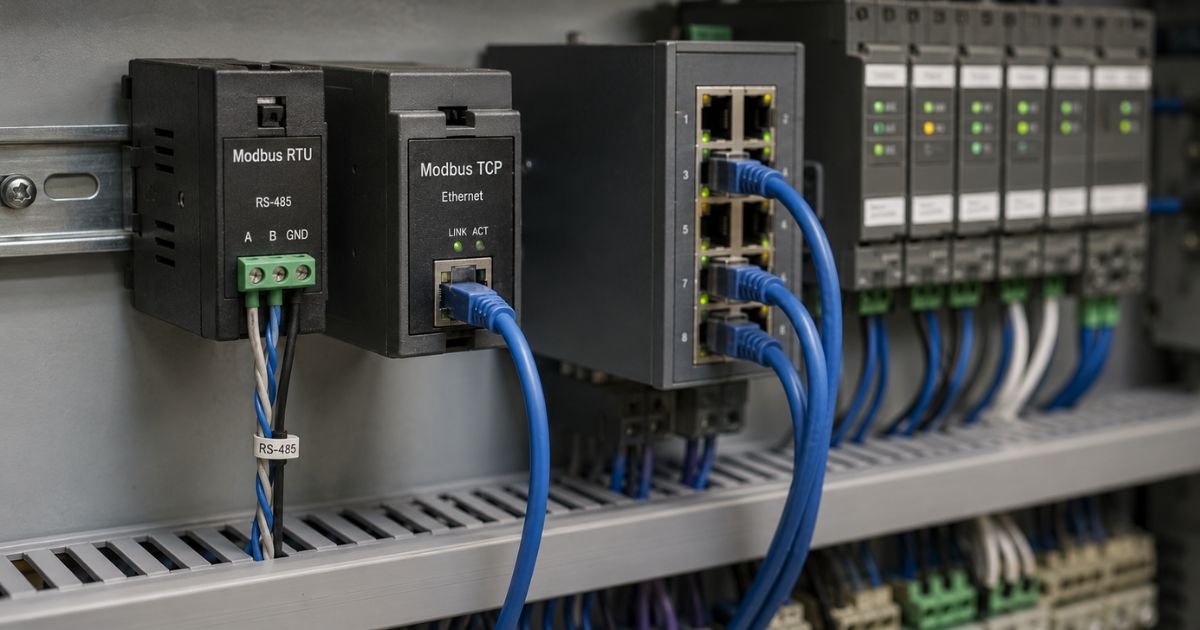
Compare Modbus RTU on serial links with Modbus TCP over Ethernet. Understand framing, device addressing, gateways, and when each approach fits a project.

Convert hexadecimal to binary by mapping each hex digit to four bits. Follow a worked example and preserve leading zeros where a fixed bit width matters.

Learn how pull-up and pull-down resistors give an input a defined idle state. Compare switch wiring, active-low logic, and current through the resistor.
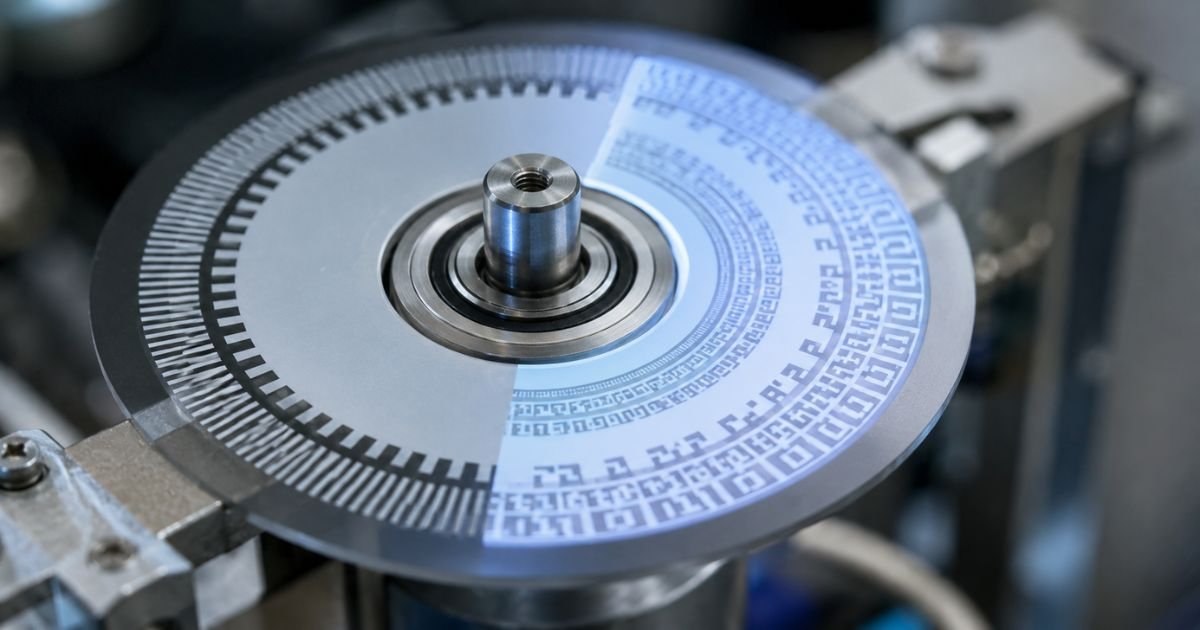
Compare ordinary binary with Gray code, where neighboring values differ by one bit. Use examples to see why encoders may use Gray code rather than binary switch weights.

Understand why digital circuits use two logic states and how bits represent numbers. Compare binary and decimal using a simple worked conversion.
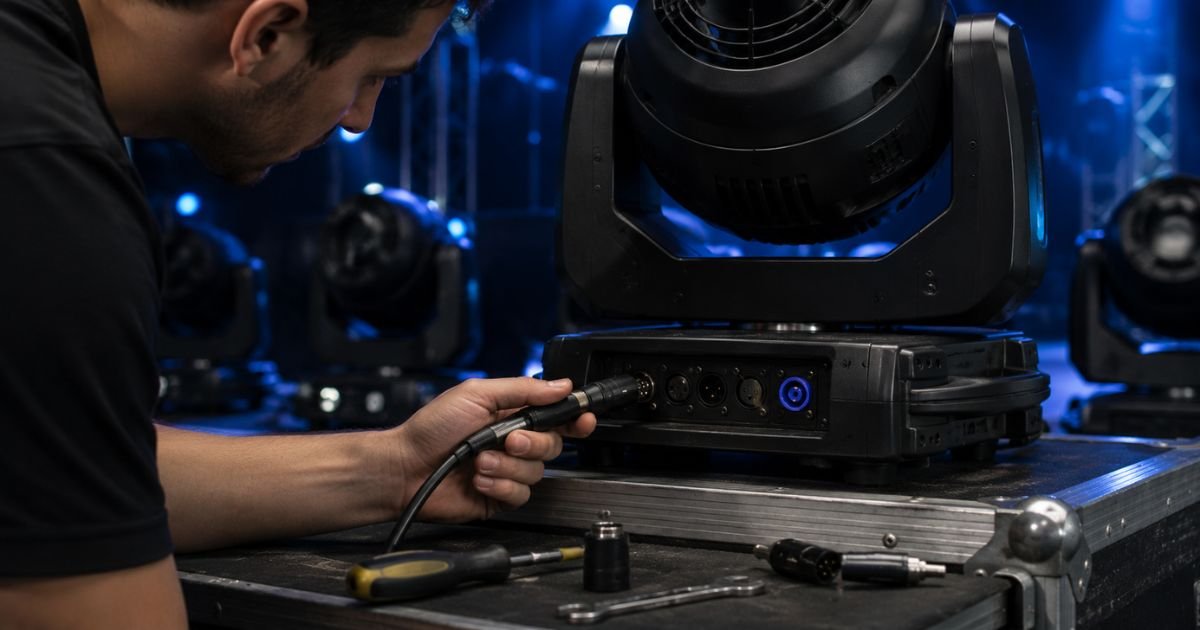
Troubleshoot a DMX setup by checking power, operating mode, channel footprint, cables, termination, and receiver loading. Use a one-fixture isolation test.
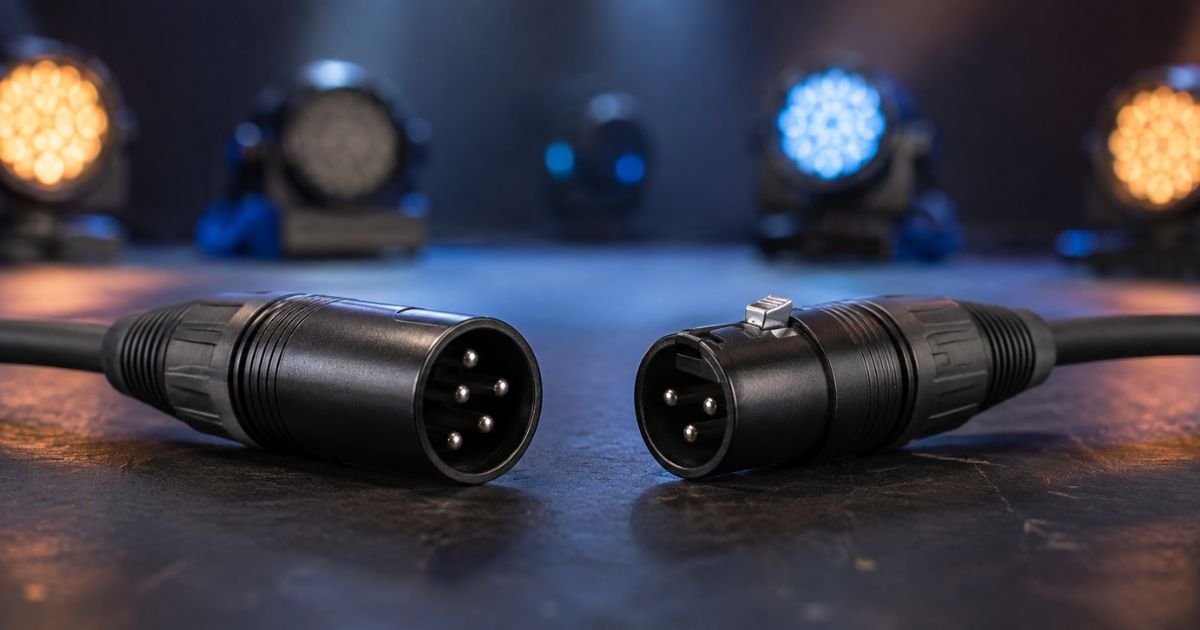
Compare three-pin and five-pin DMX connectors, signal pin assignments, cable requirements, and adapters. Verify device wiring before connecting equipment.
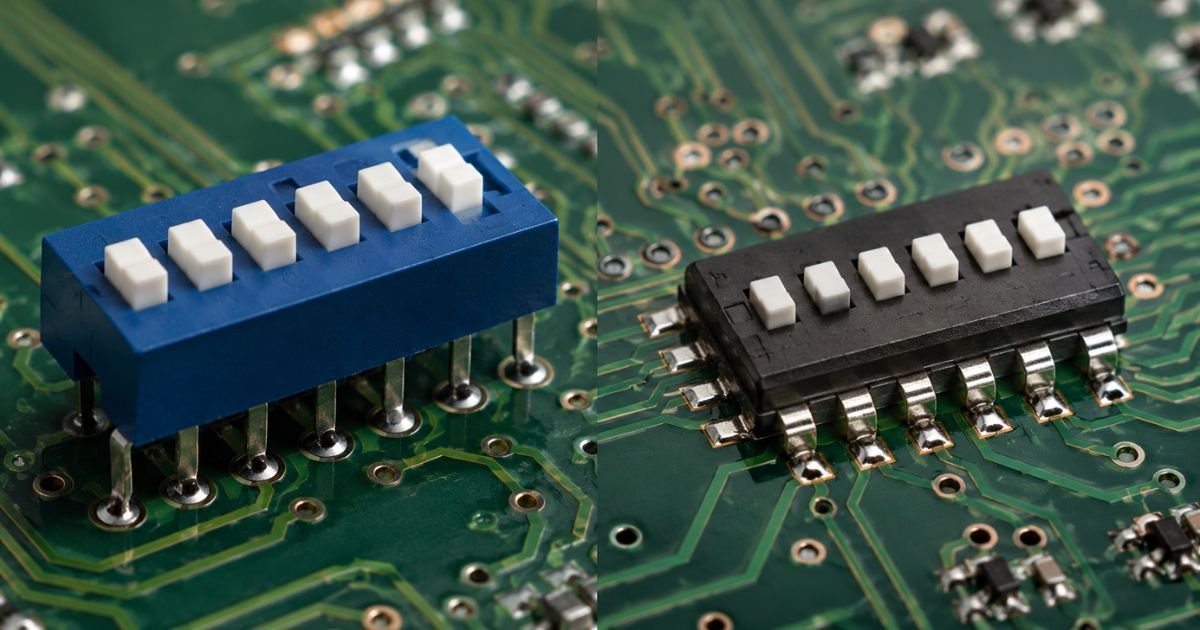
Compare surface-mount and through-hole DIP switches for board assembly, mechanical support, space, and servicing. Check the component datasheet for footprint and ratings.